Home
Home  Navigation


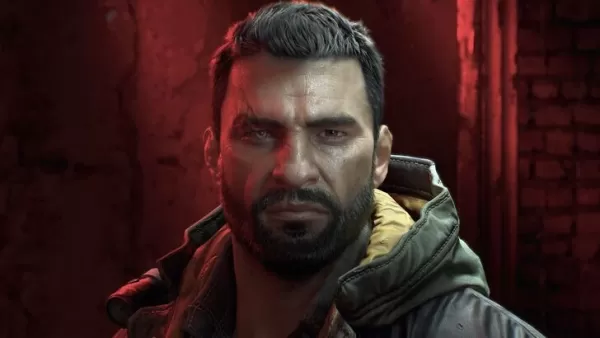
Techland, the developer behind Dying Light: The Beast, has revealed key enhancements designed to make nighttime sequences more terrifying. Discover how the upcoming title is evolving the series' approach to nocturnal encounters and enemy behavior.
Dying Light: The Beast Evolves the Core Experience
Nighttime Overhaul Driven by Community Feedback
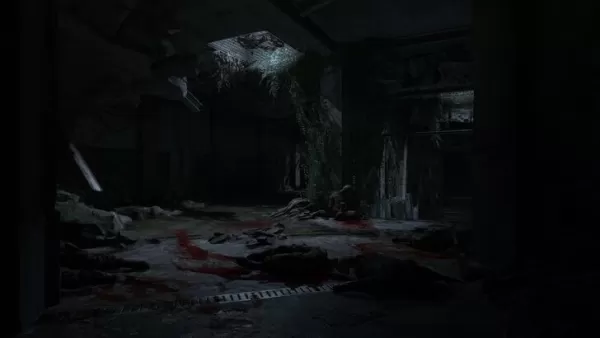
Techland has implemented significant changes to Dying Light: The Beast, including more immersive, darker nights and smarter enemy AI. The developers formed a specialized programming team to integrate insights gathered from gamescom 2025 and content creators who tested earlier versions.
The nights are now substantially darker, intensifying the suspenseful atmosphere. After sunset, the game world becomes shrouded in darkness and silence, populated by Infected that are far more dangerous than their daytime counterparts. However, lighting conditions vary intentionally across locations to preserve each area's unique identity.
For instance, urban zones with burning barrels create challenging stealth scenarios against Volatiles – powerful special infected that emerge exclusively at night. This stands in stark contrast to the unpredictable tension of navigating the pitch-black forests in the Nature Reserve.
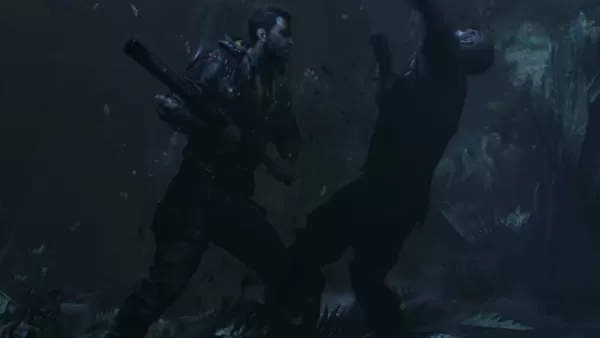
The audio design during nighttime has been refined to heighten tension. Players can now clearly distinguish the unsettling footsteps of approaching Volatiles and Infected, helping them gauge threat proximity. According to developers, this auditory precision enhances the sensation of actually being present in the game world.
When enemies detect the player, the ambiance shifts dramatically. Distinctive horror sounds, intense music, and protagonist Kyle Crane's panicked breathing combine to create overwhelming moments of terror.
Smarter, More Unnerving Enemy Encounters

The enhanced darkness serves to amplify the threat posed by the creatures that stalk the shadows. Following player feedback, Volatiles have become both more intelligent and frightening.
"We decided to center the nighttime experience squarely around Volatiles as the ultimate predators – a philosophy guiding all our design choices," explained Techland. "We've completely reworked their movement patterns, both individually and in coordinated groups, enabling them to hunt players more effectively throughout the game world."
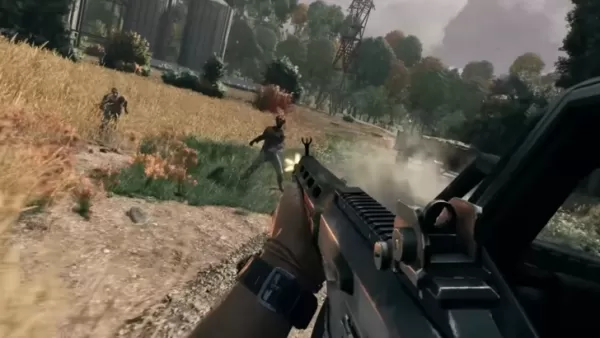
Volatiles now feature a comprehensively upgraded movement system for more dynamic chases. This includes new animations, expanded mobility options, and reactions to player actions like flashlight usage. Their persistence in combat has also increased, with revised retreat conditions ensuring they fight relentlessly.
Enhanced spawning technology ensures players constantly sense the presence of Volatiles regardless of location. These enemies now appear in more logical positions, with placement considerations for both vehicular routes and environmental layouts.
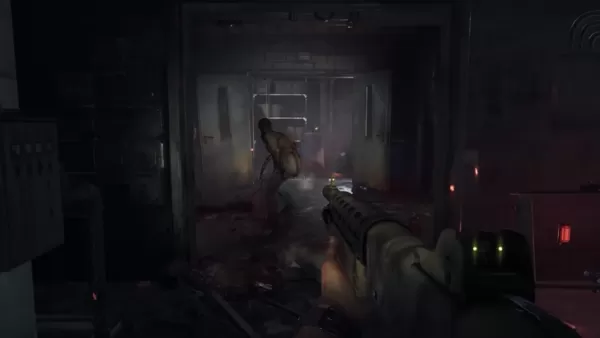
Enemy visuals and audio have been upgraded for greater distinctiveness and unease. Volatiles appear more visceral and bloodied, with increased visual variety. Meanwhile, common infected like Biters and Virals feature more aggressively human vocalizations that underscore their tragic transformation.
"From Dying Light's inception, our mission has been crafting the definitive zombie apocalypse simulation," stated Techland. "Through series development, we've identified three crucial components: visual presentation, audio design, and gameplay systems."
Dying Light: The Beast launches September 18, 2025, for PC, Xbox Series X|S, and PlayStation 5. For ongoing coverage, explore our related articles below.
 Latest Articles










 Latest Games